Understanding Industrial Emergency Showers
In any industrial or laboratory setting, the presence of adequate safety measures is paramount. Among these measures, industrielle Notdusche systems are critical to ensuring the health and safety of employees exposed to hazardous substances. These installations not only serve as immediate response solutions in emergencies but are also fundamental in complying with safety regulations.
What Is an Industrial Emergency Shower?
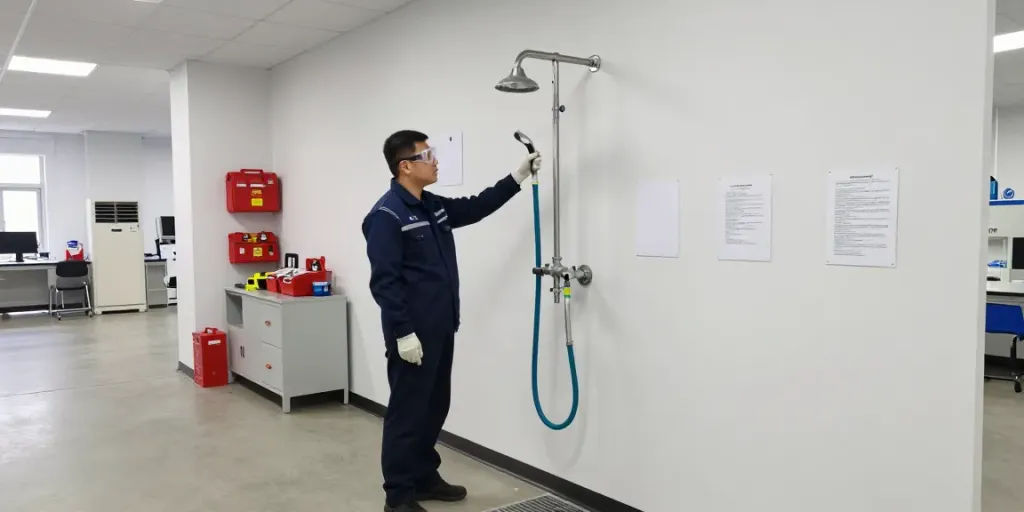
An industrial emergency shower is a specialized fixture designed to provide immediate decontamination for personnel who have been exposed to harmful chemicals or substances. Typically found in laboratories, manufacturing plants, and chemical facilities, these showers provide a fast and effective means to rinse away pollutants. They are equipped with features that allow for continuous water flow, ensuring that affected areas are thoroughly cleansed within the critical first moments following an incident.
Importance of Compliance with EN and ANSI Standards
Compliance with European Norms (EN) and American National Standards Institute (ANSI) standards is essential for industrial emergency showers. These standards outline the necessary specifications for design, installation, and maintenance of emergency showers, ensuring they function correctly in emergencies. Adhering to these regulations not only protects employees but also shields companies from legal liabilities and penalties.
Key Features of Effective Emergency Showers
- Water Flow Rate: Showers should deliver a minimum water flow rate of 75 liters per minute to ensure effective decontamination.
- Activation: Showers must feature automatic or easily accessible activation mechanisms, such as pull handles or foot pedals, allowing quick deployment.
- Temperature Control: Maintaining water at a safe temperature is critical, especially in extreme environments, to prevent further injury.
- Visibility: Clear signage and well-lit areas are essential for locating emergency showers quickly during crises.
Common Misconceptions About Industrial Emergency Showers
Mistaking Emergency Showers for Routine Equipment
Many facility managers erroneously view emergency showers as standard equipment rather than critical safety installations. This misconception can lead to inadequate maintenance and inspections, ultimately jeopardizing employee safety. It's vital to recognize that emergency showers should receive regular checks, ensuring they are operational and compliant with safety regulations.
Overlooking Maintenance Needs
Another common misconception is that emergency showers are low-maintenance. In fact, they require routine inspections and testing to ensure proper functionality. Facilities should establish maintenance protocols that include frequent checks on water flow rates, activation mechanisms, and overall condition, as these factors directly impact the effectiveness of the equipment during emergencies.
Ignoring Environmental Considerations
Choosing not to consider the environment in which an emergency shower will be placed can lead to significant issues. For instance, extreme temperatures can affect the water supply, potentially causing freezing or scalding. It’s essential to evaluate environmental factors and select appropriate equipment and supplementary systems to maintain safe water temperatures.
Best Practices for Selecting an Industrial Emergency Shower
Factors to Consider in Different Work Environments
When selecting emergency showers, various environmental factors must be taken into account. For instance, the location and nature of potential hazards, proximity to hazardous materials, and accessibility for all employees play critical roles in determining the appropriate type of shower. Facilities should consider both wall-mounted and freestanding models based on their specific needs.
Customization Options for Diverse Needs
Customization is an essential aspect of selecting emergency showers, as different industries may have unique requirements. Manufacturers often provide customizable options such as additional nozzles, specialized fittings, and altered flow rates that can cater to specific industry demands and enhance safety.
Integrating Additional Features for Enhanced Safety
- Acoustic Alarms: Incorporating alarms can alert staff in case of an emergency.
- Lighting: Adequate illumination around emergency showers ensures they are visible when needed.
- Drainage Systems: Proper drainage reduces the risks of slips and falls during emergencies.
Ensuring Compliance and Maintenance
Regular Inspection and Testing Protocols
To maintain compliance, organizations must establish rigorous inspection protocols for emergency showers. Regular testing should include flow rate assessments, activation tests, and thorough cleaning of nozzles to prevent blockages. Implementing a documented maintenance schedule can help ensure these checks occur at appropriate intervals.
Documentation for Compliance Validation
Maintaining accurate records of inspections and maintenance activities is crucial for compliance with safety regulations. This documentation serves as evidence in case of audits and demonstrates the organization’s commitment to employee safety. It is advisable to use digital tools for tracking maintenance schedules and inspections to streamline this process.
Training Staff on Proper Use and Maintenance
Effective training is crucial for ensuring employees can utilize emergency showers effectively. Regular training sessions should be conducted to inform staff about the locations of emergency showers and proper usage techniques. Training should also cover maintenance practices to empower employees to identify and report potential issues.
Future Trends in Industrial Emergency Shower Technology
Innovations in Design and Functionality for 2026
The future of industrial emergency showers will likely see advancements in design and technology. Innovations such as touchless activation, which minimizes contamination risk, and integrated monitoring systems that provide real-time data on functional status are expected to gain traction. Such advancements will enhance user safety and ensure compliance with evolving regulations.
Adapting to Changing Regulatory Landscapes
As safety regulations become increasingly stringent, manufacturers and organizations must remain vigilant and adaptable. Regularly reviewing compliance standards and proactively adjusting systems to meet new requirements will be essential for maintaining high safety levels in workplaces.
Integrating Smart Technology for Enhanced Safety
Smart technology integration will play a vital role in the future of emergency showers. Features such as IoT connectivity can provide insights into maintenance needs and operational status, alerting facility managers when action is needed to ensure compliance and safety.
What are the requirements for an industrial emergency shower?
Requirements for an industrial emergency shower include adequate water flow rates, prompt activation mechanisms, and compliance with EN and ANSI standards. Additionally, the shower should be easily accessible and situated in a location that is free from hazards.
How often should industrial emergency showers be tested?
Industrial emergency showers should be tested at least once a month to ensure they are functioning correctly. This regular testing should include checking the water flow rate, activation method, and any additional features.
Can industrial emergency showers be customized?
Yes, many manufacturers offer customization options to meet the specific needs of various industries. This may include unique fittings, specialized nozzles, and adjustments to the water flow rate.
Which countries require industrial emergency showers?
Regulations requiring the installation of industrial emergency showers vary by country, but many jurisdictions, particularly in Europe and North America, mandate them in settings where employees may be exposed to hazardous materials.
What certifications should an industrial emergency shower have?
Industrial emergency showers should have certifications that validate their compliance with relevant safety standards, such as EN 15154 and ANSI Z358.1. These certifications provide assurance of the equipment's design, construction, and efficacy during emergencies.